The Latest Superfood Trends in San Francisco
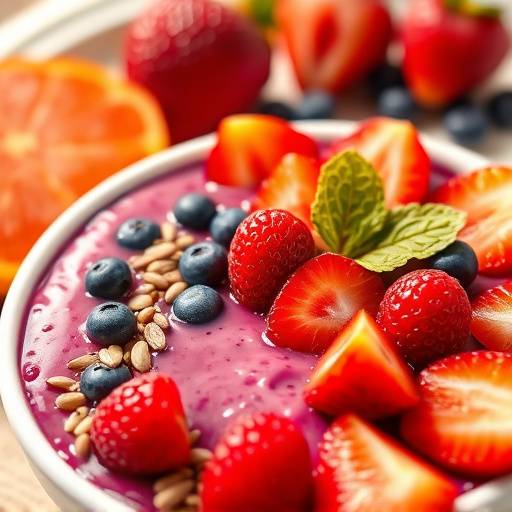
San Francisco, known for its health-conscious culture and innovative food scene, is always at the forefront of superfood trends. This year, we're seeing a surge in the popularity of locally-sourced sea vegetables, such as nori and kelp, which are packed with essential minerals and vitamins. Farmers markets like the Ferry Plaza Farmers Market are overflowing with these nutrient-rich ingredients. Additionally, adaptogenic mushrooms like reishi and chaga are making their way into lattes and smoothies, touted for their stress-reducing and immune-boosting properties. These mushrooms, often foraged from the forests of Northern California, are now readily available at health food stores like Rainbow Grocery. Remember to consult with a nutritionist before making significant dietary changes.
Understanding the Glycemic Index for Better Blood Sugar Control

The glycemic index (GI) is a ranking system for carbohydrates based on their immediate effect on blood glucose (blood sugar) levels. Foods with a high GI are quickly digested and absorbed, resulting in a rapid rise in blood sugar. Conversely, foods with a low GI are digested and absorbed more slowly, resulting in a more gradual rise in blood sugar. Understanding the GI can be particularly beneficial for individuals with diabetes or those looking to manage their weight. For example, swapping white rice (high GI) for brown rice (medium GI) or quinoa (low GI) can make a significant difference in blood sugar control. Similarly, opting for whole-wheat bread over white bread and choosing fruits with lower GI, such as berries and apples, over those with higher GI, like watermelon, can help maintain stable blood sugar levels throughout the day. Remember to consider portion sizes, as they also influence blood sugar response. Always consult with a healthcare professional or registered dietitian for personalized dietary advice. You can also find more information at the American Diabetes Association website.
Plant-Based Protein Sources Beyond Tofu
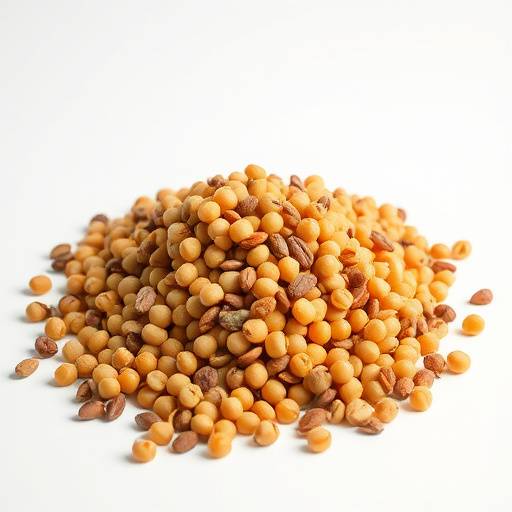
While tofu is a well-known and versatile plant-based protein source, there are many other delicious and nutritious options available. Lentils, for example, are an excellent source of protein and fiber, making them a filling and satisfying addition to soups, stews, and salads. Chickpeas, another legume, are incredibly versatile and can be used to make hummus, falafel, or roasted for a crunchy snack. Nuts and seeds, such as almonds, walnuts, chia seeds, and flaxseeds, are also packed with protein, healthy fats, and essential nutrients. Quinoa, a complete protein, is a great alternative to rice and can be used in a variety of dishes. Furthermore, incorporating a variety of plant-based protein sources ensures that you obtain a wide range of amino acids, vitamins, and minerals. Experiment with different recipes and find your favorite plant-based protein sources to create a balanced and nutritious diet. Check out local co-ops like Other Avenues Grocery Cooperative for a wide selection.
The Importance of Gut Health for Overall Wellness

The gut microbiome, a complex community of microorganisms living in our digestive tract, plays a crucial role in overall health and wellness. These microbes aid in digestion, nutrient absorption, and immune system regulation. An imbalance in the gut microbiome, known as dysbiosis, can lead to various health issues, including digestive problems, inflammation, and even mental health disorders. Supporting a healthy gut microbiome involves consuming a diverse range of foods, including fruits, vegetables, whole grains, and fermented foods like yogurt, kefir, sauerkraut, and kimchi. These foods provide prebiotics and probiotics, which nourish and support the growth of beneficial bacteria in the gut. Limiting processed foods, sugary drinks, and excessive antibiotic use can also help maintain a healthy gut microbiome. Consult with a gastroenterologist for personalized advice on gut health.
Meal Planning Tips for a Busy Lifestyle

In today's fast-paced world, meal planning can be a game-changer for maintaining a healthy diet. Taking the time to plan your meals in advance can help you save time, money, and reduce stress. Start by setting aside a few minutes each week to plan your meals for the upcoming week. Consider your dietary needs, preferences, and any time constraints. Create a shopping list based on your meal plan and stick to it when you go grocery shopping. Prepare ingredients in advance, such as chopping vegetables or cooking grains, to save time during the week. Batch cooking is another great strategy for busy individuals. Cook large portions of meals on the weekend and portion them out for the week. This ensures that you have healthy and convenient meals readily available. Explore online resources for meal planning templates and recipe ideas. Services like Thistle offer pre-prepared healthy meals delivered to your door.
Seasonal Eating: What to Eat in the Fall in California
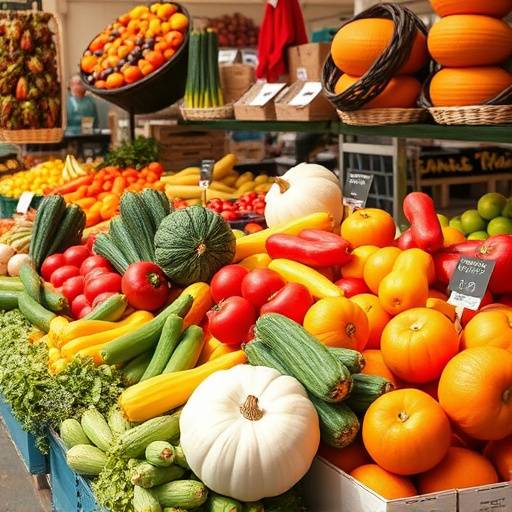
Fall in California brings a vibrant array of delicious and nutritious produce to local markets. Embrace the season by incorporating these fresh ingredients into your meals. Pumpkins, squash, and sweet potatoes are abundant and can be used in soups, stews, and roasted dishes. Apples and pears are also in season and make for healthy snacks or desserts. Leafy greens like spinach, kale, and chard thrive in the cooler weather and are packed with vitamins and minerals. Brussels sprouts are another fall favorite that can be roasted, sautéed, or added to salads. Eating seasonally not only supports local farmers but also ensures that you are consuming foods at their peak flavor and nutritional value. Visit your local farmers market to discover the freshest fall produce. Check out the San Francisco Public Library's cookbook collection for seasonal recipes.